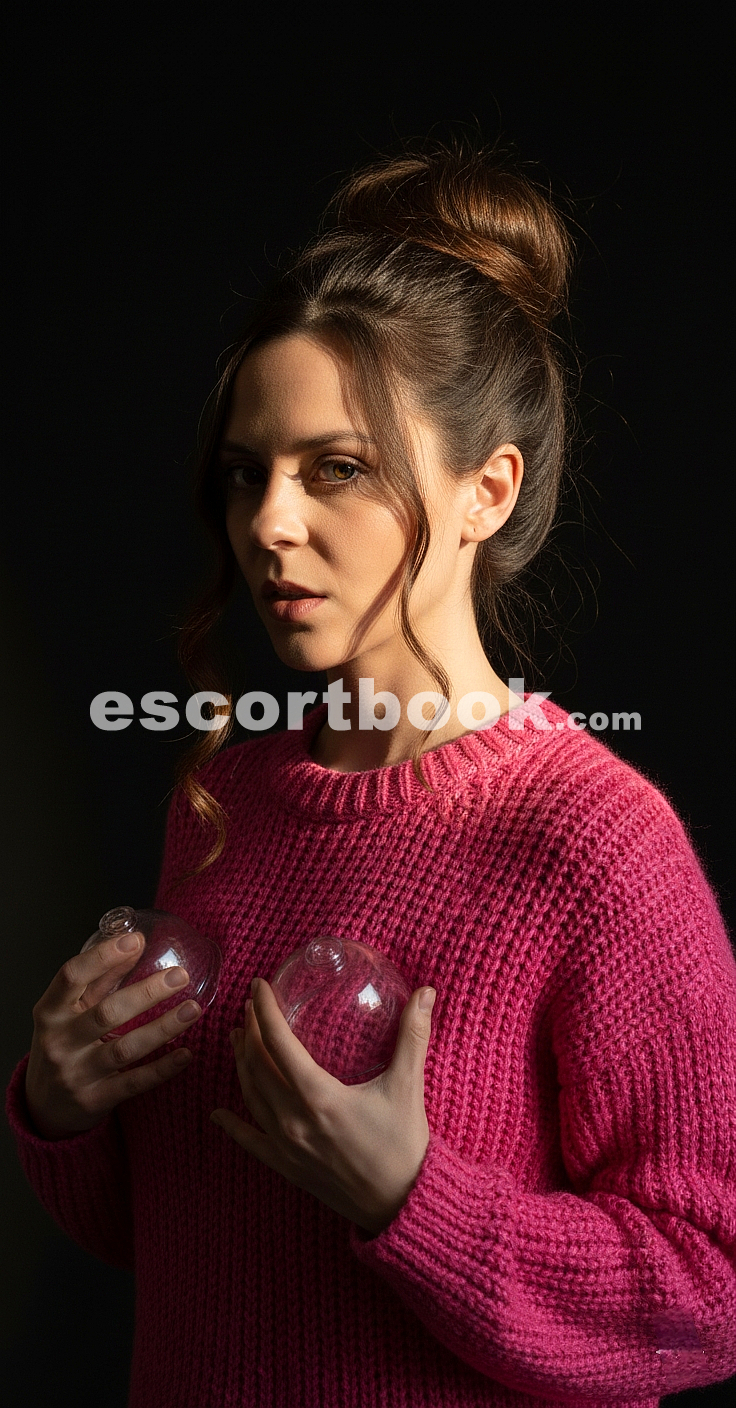
Cupping therapy (also known as cupping) is an ancient therapeutic technique, mainly used in traditional Chinese, Arabic, and Egyptian medicine, but today it's also widespread in physiotherapy and the sports world.
It involves applying cups (made of glass, plastic, or silicone) to the skin and creating a vacuum (suction) using fire, a manual pump, or an electric pump. This “sucks” the skin and underlying tissues upward, producing the typical circular red/purple marks often seen on athletes.
Here are the main effects for which it is used, along with the approximate level of scientific evidence:
- Reduction of musculoskeletal pain (back pain, neck pain, low back pain, knee pain, muscle contractures, post-workout muscle soreness) → the most documented benefit, with evidence ranging from moderate to good in many recent reviews and meta-analyses (especially for low back pain and neck pain). It often works better than conventional therapy alone in the short term.
- Improvement in muscle tension and stiffness → Helps relax tight muscles and improve the flexibility of soft tissues (fascia).
- Improvement in local blood and lymphatic circulation → Increases blood flow in the treated area, promotes oxygen and nutrient delivery, and aids in draining fluids and metabolic waste.
- Reduction of local inflammation → Some studies show a decrease in inflammatory markers.
- Increase in range of motion → Useful for athletes to recover more quickly after intense efforts.
- Relaxing and anti-stress effect → Many people report a general sense of well-being and reduced tension (likely also due to placebo effect + relaxation).
Other uses with less scientific support → tension headaches, migraines, knee osteoarthritis, support for muscle fatigue recovery, aesthetic improvement of cellulite (thanks to drainage).
«Beneath the vacuum of the ancient cups, the skin surrenders and blooms purple: it is the body breathing again, releasing silent storms.»